
From Icons to Empowerment: The History of Barbie and Her Impact as a Personal Brand
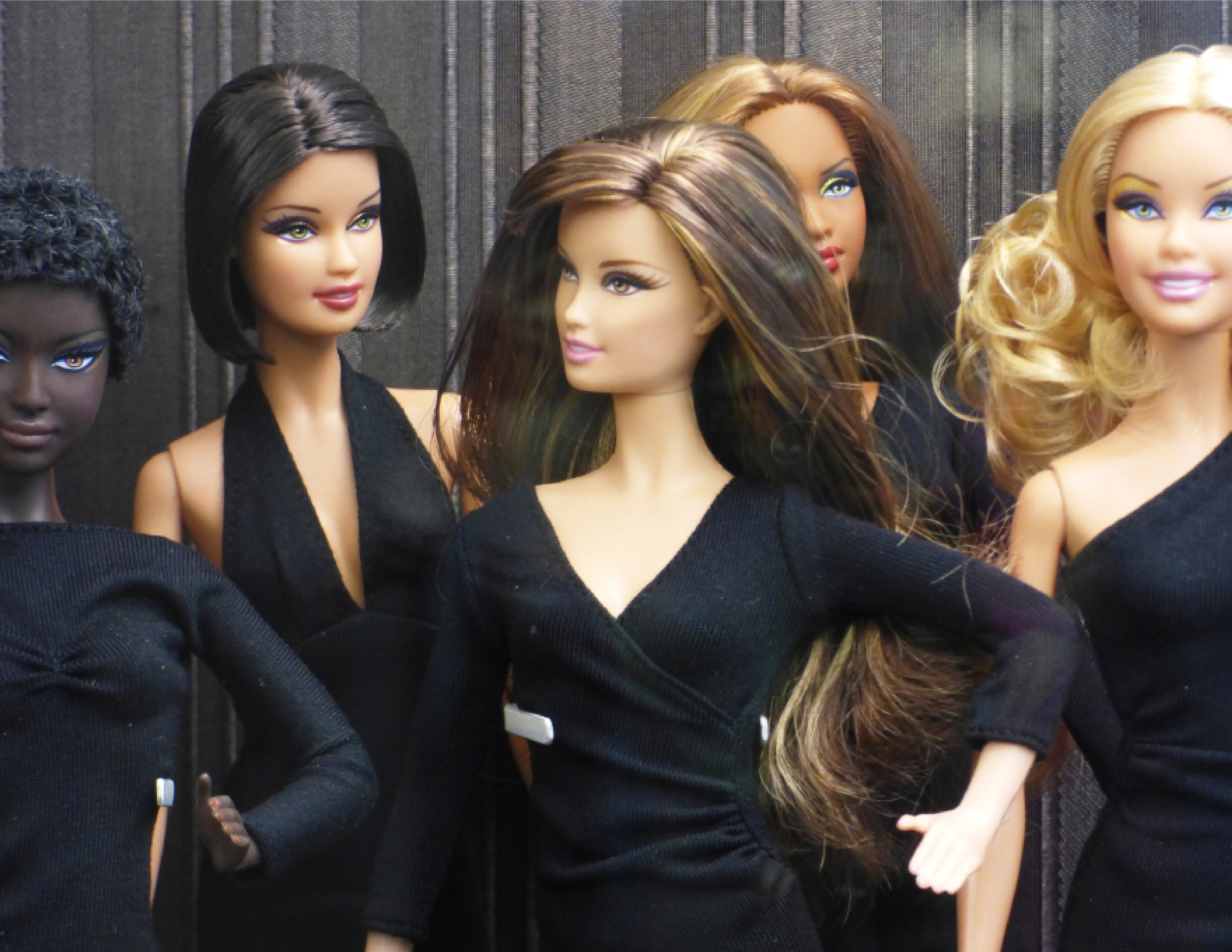
At the occasion of one of the most anticipated movies of the year 2023, "Barbie," and as a child of the 80s with a profound love for this iconic doll, I want to explore the remarkable journey of Barbie, celebrating her versatility and adaptability as she continues to inspire young as well as more mature minds across the globe.
From her groundbreaking inception in 1959 to her enduring cultural impact, Barbie has remained an iconic symbol of empowerment and imagination for over six decades.
History of Barbie: “Inspiring Girls Since 1959”
Barbie Creator: Ruth Handler
Ruth Handler noticed that her daughter had a restricted range of toy options, primarily centered around playing the role of a mother or caregiver. In contrast, her son had access to toys that encourage imaginative play as a firefighter, astronaut, doctor, and other professions. This observation motivated Ruth to develop a doll that would empower girls by demonstrating the diverse choices available to them and encouraging them to embrace any role or career they desired.
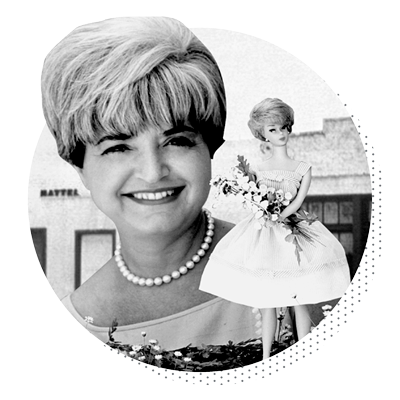
Photo Credits: www.barbiemedia.com
1959 Barbie Debuts
Barbie made her grand debut at the New York Toy Fair on March 9, 1959. At the time, toy buyers expressed skepticism as Barbie deviated from the prevailing trend of baby and toddler dolls that were in high demand. Doubts loomed over her potential success. However, contrary to expectations, Barbie quickly captivated the world, revolutionizing the way girls could envision their future possibilities.
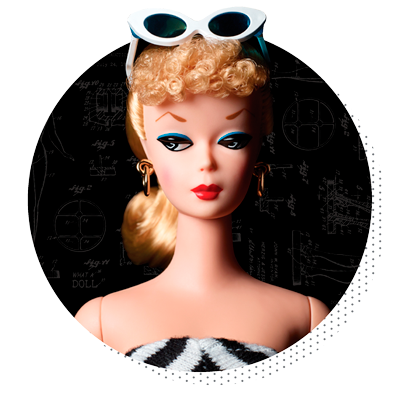
Photo Credits: www.barbiemedia.com
1962 First Dreamhouse
In 1962, at a time when women faced limitations in opening their own bank accounts, Barbie defied societal norms and purchased her first Dreamhouse, embodying independence and empowerment for women.
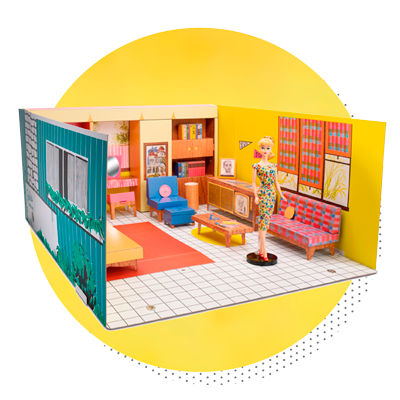
Photo Credits: www.barbiemedia.com
1980 First Diverse Dolls Named Barbie
Throughout its history, while various diverse dolls were introduced, they were consistently portrayed as Barbie’s friends. It was not until 1980 that Mattel took a significant step by releasing the first black and Hispanic dolls under the name Barbie, expanding representation within the Barbie brand.
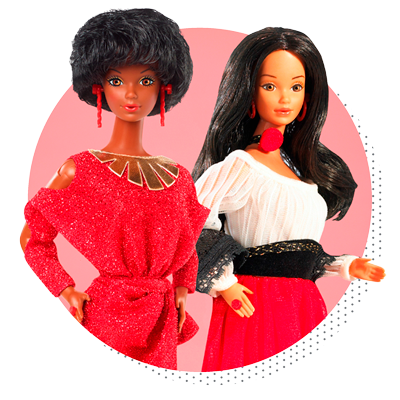
Photo Credits: www.barbiemedia.com
1985 CEO Barbie
In a groundbreaking move in 1985, Day-to-Night Barbie shattered the glass ceiling by assuming the role of a CEO, effortlessly transitioning from running the boardroom in her commanding pink power suit to embracing a vibrant night out. The iconic doll symbolized the changing landscape of the workplace, inspiring girls with the notion that they could achieve both professional success and personal enjoyment.
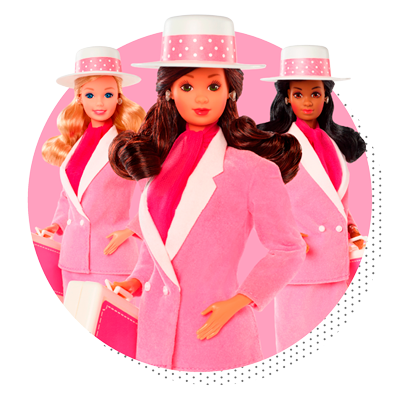
Photo Credits: www.barbiemedia.com
1985 “We Girls Can Do Anything” Campaign
Barbie introduced the empowering “We Girls Can Do Anything” advertising campaign, inspiring girls to have fault in their abilities and aspirations. Through catchy songs and uplifting messages, the campaign reinforced the belief that with determination and effort, anything was within reach for girls.
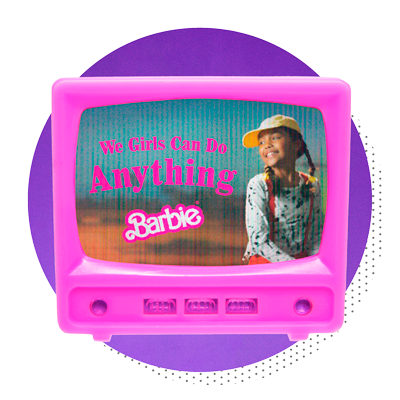
Photo Credits: www.barbiemedia.com
2014 @barbiestyle
In 2014, Barbie made her mark as a social media influencer by debuting the @barbiestyle Instagram account. Designed to showcase pop culture through the perspective of an iconic figure, the account swiftly emerged as a prominent fashion influencer platform, captivating followers with its captivating blend of fashion, art, culture, and travel, all delivered in Barbie's distinctive style.

Photo Credits: www.barbiemedia.com
2015 Barbie Vlogger
In 2015, Barbie took to YouTube with her own vlog series, aiming to connect directly with girls and address important issues they encounter. Through animated episodes, Barbie openly discusses topics such as depression, bullying, the positive effects of meditation, and the tendency of girls apologizing unnecessarily, offering valuable insights and guidance.

Photo Credits: www.barbiemedia.com
2018 #MoreRoleModels
Barbie sought to inspire girls by showcasing empowering role models from both historical and contemporary backgrounds. Through the #MoreRoleModels campaign, Barbie celebrated remarkable women worldwide on International Women's Day, while also introducing the Inspiring Women doll line that highlighted influential figures like Frida Kahlo, Katherine Johnson, and Amelia Earhart.
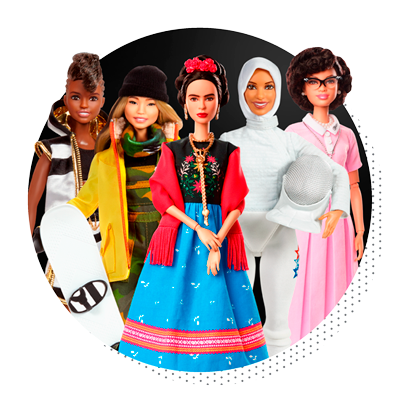
Photo Credits: www.barbiemedia.com
Barbie the Original Personal Brand Icon
1. Groundbreaking Concept:
Barbie, created by Ruth Handler in 1959, introduced a revolutionary concept of a three-dimensional fashion doll that represented a modern, independent, and aspirational woman. It was the first of its kind that challenged the prevailing norms of traditional dolls at the time.
2. Enduring Popularity:
Barbie has maintained a remarkable level of popularity and cultural relevance for over six decades. The doll has evolved and adapted to changing times, continuously reflecting contemporary fashion, trends, and societal shifts.
3. Versatility and Adaptability:
Barbie has portrayed a wide range of roles and careers, serving as a versatile canvas for young children to imagine various possibilities. From astronauts to doctors, athletes to artists, Barbie has showcased diverse professions and encouraged girls to dream big and pursue their aspirations.
4. Global Impact:
Barbie’s influence has transcended borders and cultures, making her a universally recognized and beloved brand. The doll has been embraced by children and collectors worldwide, solidifying her status as a global personal brand icon.
5. Cultural Representation:
Barbie has strived to be more inclusive and representative of different cultures and ethnicities. Over the years, Barbie dolls have been released that celebrate diversity by featuring a range of skin tones, facial features, and hair textures, allowing children from various backgrounds to find dolls that resonate with their own identities.
6. Breaking Stereotypes:
Barbie has been instrumental in challenging traditional gender stereotypes and promoting gender equality. The doll has been portrayed in various professional roles typically associated with men, such as doctors, engineers, scientists, and businesswomen. By encouraging girls to explore and pursue any career path they desire, Barbie has played a role in empowering young girls to challenge societal expectations.
7. Social Advocacy:
Barbie has used her platform to raise awareness about important issues. She has collaborated with organizations and initiatives promoting causes such as girls’ education, environmental sustainability, and body positivity. Through partnerships and campaigns, Barbie has shown commitment to using her influence to make a positive impact on society.
8. Inspiring Imagination and Self-Expression:
Barbie has encouraged children to use their imagination and express their creativity. The doll’s vast range of accessories, playsets, and storylines provide children with a canvas for storytelling, imaginative play, and personal expression.
Barbie's unique combination of innovation, longevity, adaptability, and cultural impact has firmly established her as the original personal brand icon and an enduring symbol of empowerment, imagination, and boundless possibilities. Through her commitment to diversity, her efforts to challenge stereotypes, and her advocacy for social issues, Barbie has transcended the world of fashion to become an iconic representation of much more than just a doll. She has evolved into a powerful symbol of progress, empowerment, and positive change, inspiring generations to dream big and make a difference in the world.